Dog Rose Tea: The Ancient Wildflower Herb Your Wellness Routine Needs
Somewhere along a wild country lane, half-hidden by hedgerows, grows one of nature's most quietly powerful wellness plants. Dog rose — Rosa canina — a wild, sprawling rose native to Europe, northwest Africa, and western Asia. In summer it blooms with pale pink flowers; in autumn, clusters of vibrant ruby-red rose hips reveal their treasure — the star of dog rose tea. This warming, fruity brew has a long traditional use and a high natural Vitamin C content that modern wellness seekers are rediscovering.
What Is Dog Rose? (Rosa Canina Explained)
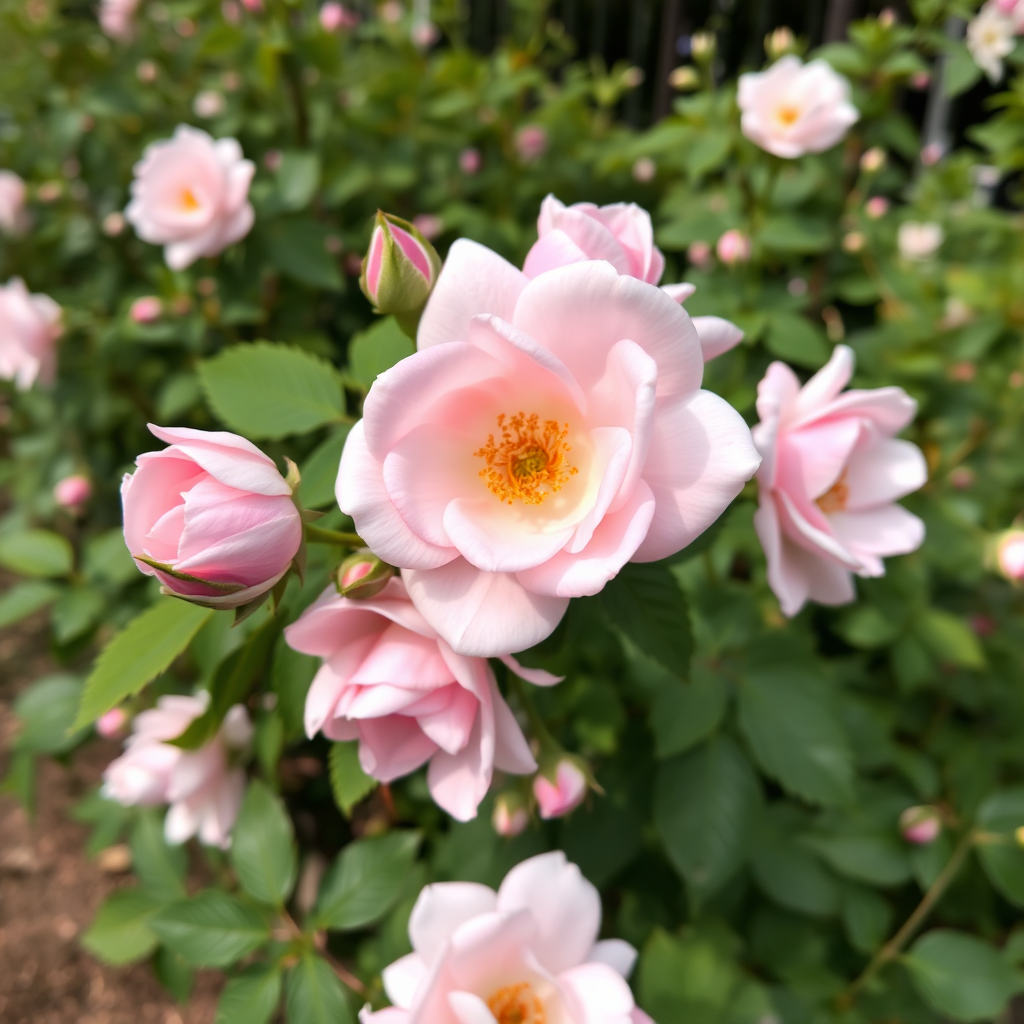
Dog rose (Rosa canina) is a species of wild rose native to Europe, Asia, and North Africa. Unlike cultivated garden roses, dog rose grows freely in hedgerows, woodland edges, and open countryside — often reaching heights of up to three meters. The plant produces small, light pink to white flowers in early summer, followed by oval, bright red or orange-red fruits known as rose hips. These hips are the primary part used in herbal tea, supplements, and traditional remedies.
Pull-quote
"Rose hips are among the richest plant sources of Vitamin C — a bright, comforting brew with a mineral, fruit-forward profile."
What Do Dog Rose Hips Look Like?
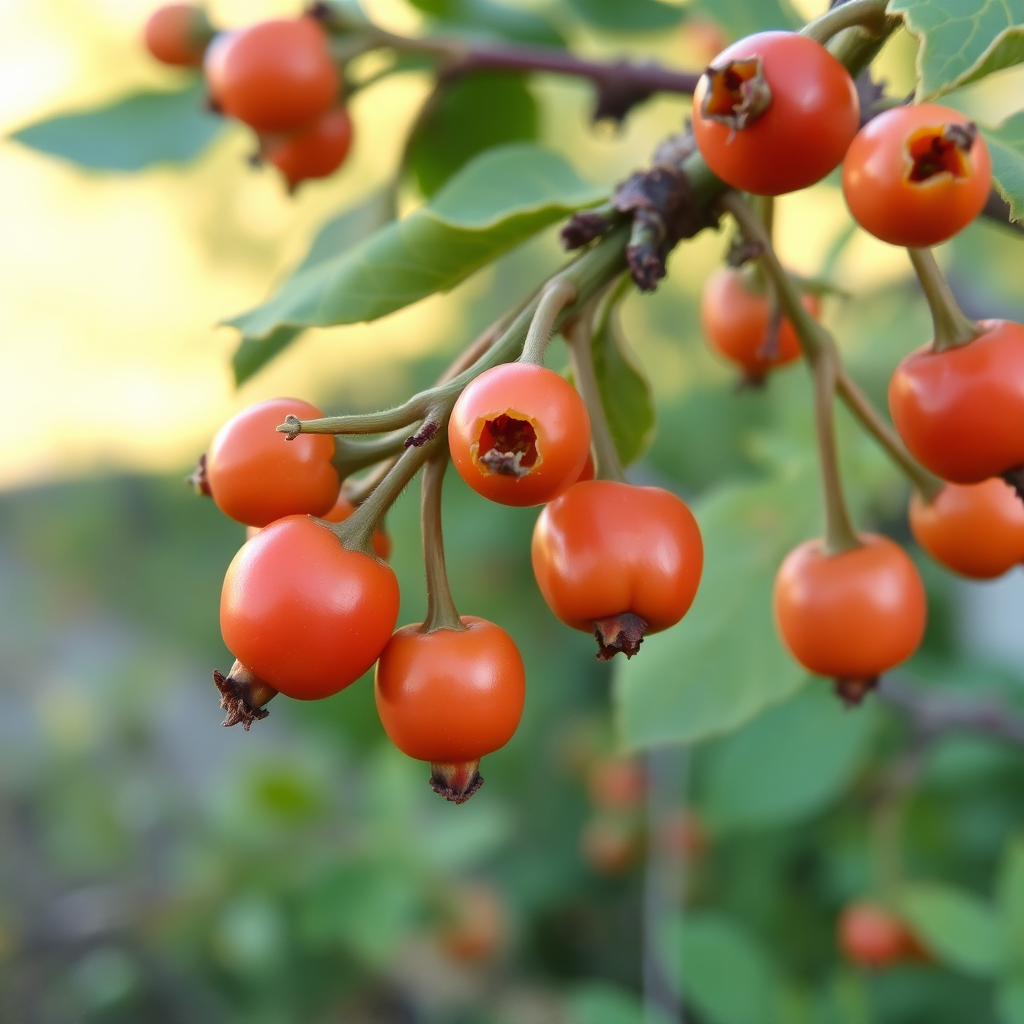
Dog rose hips are small, oval-shaped berries typically ranging from deep orange to vivid red. They're at their ripest — and most nutritious — after the first autumn frost, which softens their flesh and concentrates their nutrients.
How Is Dog Rose Different From Other Roses?
While all rose species produce hips, dog rose hips are among the largest, most flavorful, and nutrient-dense. They've been the preferred choice in traditional European herbal medicine for centuries, largely due to their exceptional Vitamin C content.
Dog rose hips are among the largest of roses, contributing rich flavor and nutrition.
High Vitamin C and antioxidants support immune and skin health.
Traditionally used for immune support and gentle herbal medicine.
The Top Health Benefits of Dog Rose Tea
Immune System Support
Rose hips are among the richest plant sources of Vitamin C, helping white blood cell production and reducing oxidative stress.
Skin Health & Antioxidant Power
Antioxidants including beta-carotene and flavonoids support collagen and a vibrant complexion.
Digestive Wellness
Gentle, soothing effects with pectin and organic acids support gut function and mild discomfort.
Anti-Inflammatory Properties
Traditional use and ongoing studies highlight soothing effects, including GOPO, in supporting healthy inflammatory responses.
How to Make Dog Rose Hip Tea at Home
A warming, caffeine-free herbal brew you can tailor to taste. Here’s a simple, reliable method.
Ingredients & Steeping Guide
- 1–2 tablespoons of dried rose hips (crushed or whole)
- 2 cups of freshly boiled water (let it cool to around 90°C / 195°F)
- Optional: honey, cinnamon stick, or a squeeze of lemon
- Place dried rose hips in a teapot or infuser.
- Pour hot water over the hips and steep for 10–15 minutes.
- Strain carefully (rose hip seeds have fine hairs that can irritate the throat).
- Sweeten if desired and enjoy. The longer you steep, the deeper the color and flavor.
What Does Dog Rose Tea Taste Like?
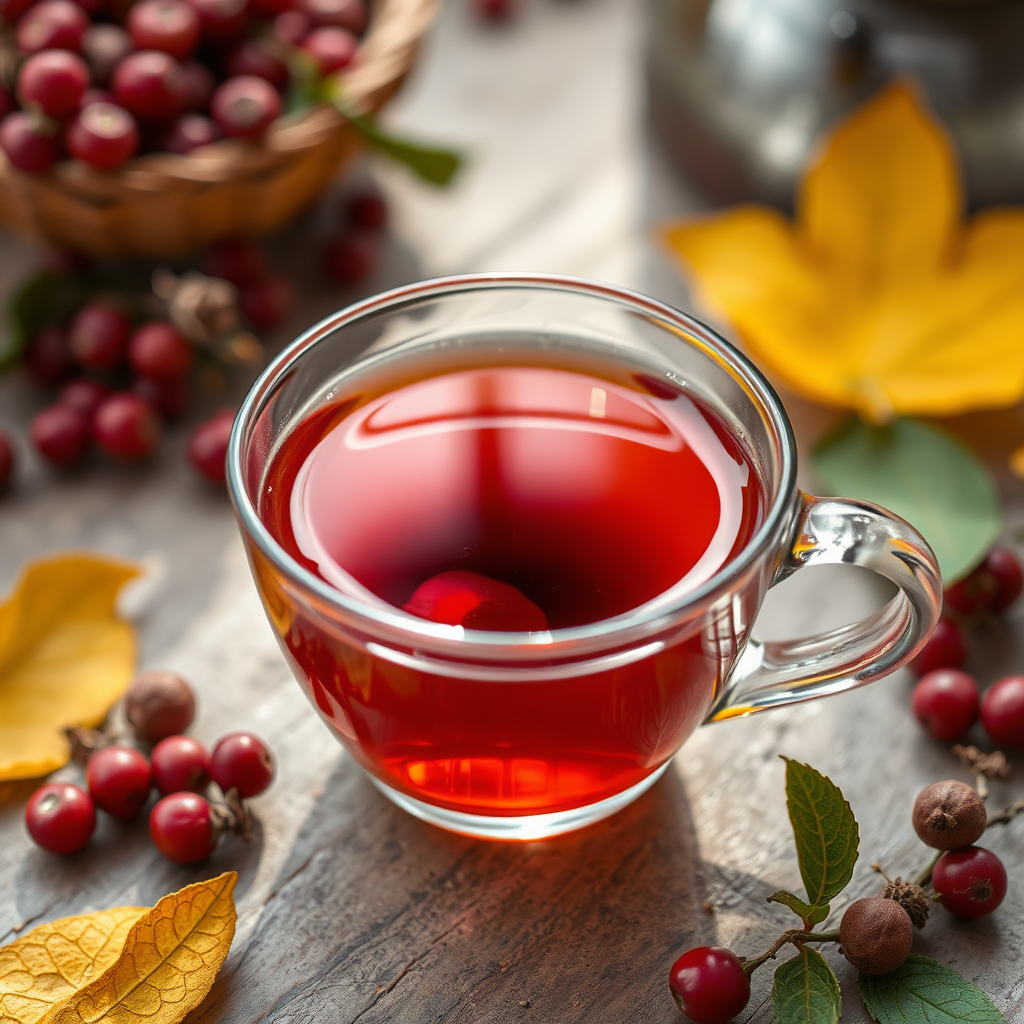
Dog rose tea has a naturally fruity, tangy flavor with floral undertones and a pleasant mild tartness. It’s often compared to hibiscus or cranberry—inherently bright and refreshing, yet warming and soothing when served hot. Many find it naturally sweet enough to drink without added sugar.
Who Should Drink Dog Rose Tea?
Dog rose tea is a caffeine-free option ideal for immune support, antioxidant intake, and skin vitality. Gentle enough for daily enjoyment. If you are pregnant, nursing, or on medication (especially blood thinners or certain diabetes meds), consult your healthcare provider before adding any new herbal tea to your routine.
Find Your Perfect Herbal Tea with findmytea.app
Dog rose is just one of thousands of incredible herbs waiting to support your wellness journey. Our free personalized tea quiz helps you discover herbs that best fit your mood and goals. Answer a few simple questions and we’ll match you with the right herbs.
You get 3 free herb searches every day.
Start your herbal discoveryFrequently Asked Questions About Dog Rose Tea
Is dog rose tea safe to drink every day?
For most healthy adults, yes. It’s caffeine-free, gentle, and well-tolerated. Start with one cup daily and see how your body responds.
Can I use fresh rose hips for tea?
Yes! Fresh rose hips work well, but you’ll want to remove the seeds and fine inner hairs before use. Dried rose hips are more convenient and widely available.
Where can I find dog rose hips?
Dried rose hips are common in health-food stores and herb shops. You can also forage wild hips in late autumn with correct identification (Rosa canina).
Does dog rose tea have caffeine?
No. Dog rose tea is 100% caffeine-free, making it a great choice for evenings or for anyone reducing caffeine intake.